Location: Unna, Germany Date: 1999
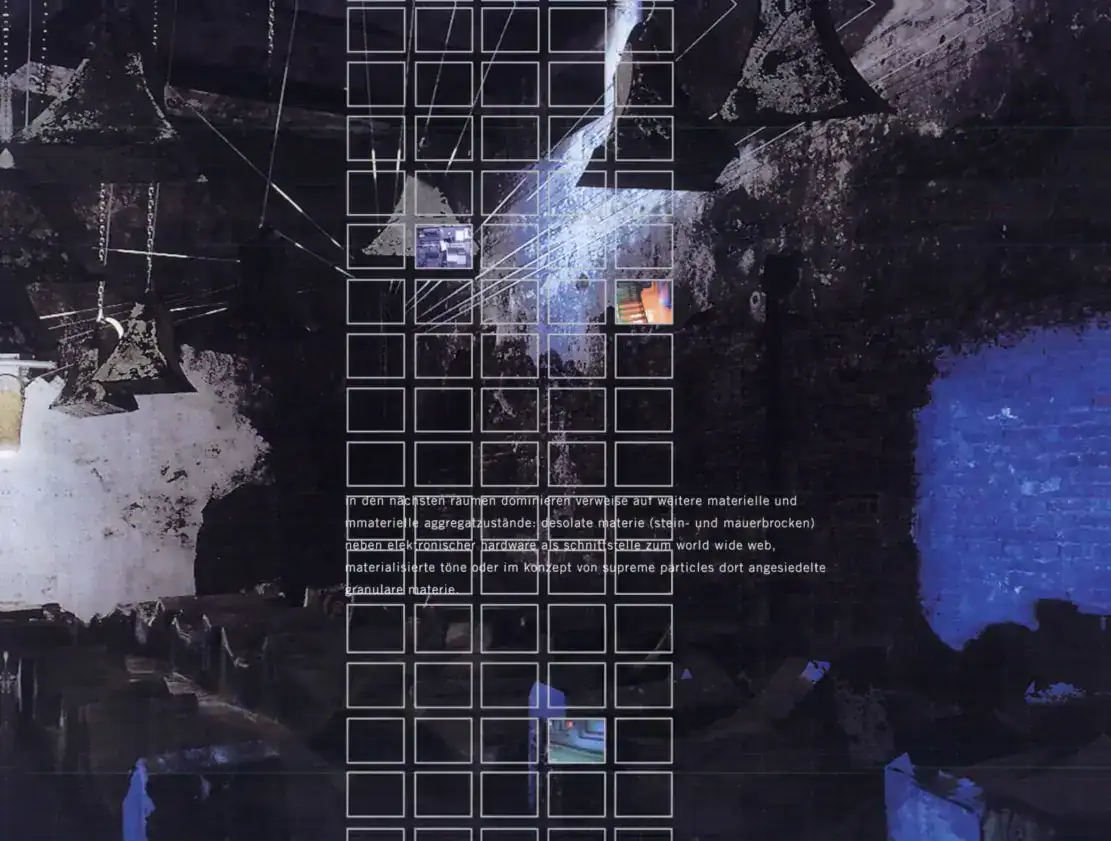
Module 1ST1, the gravitational center of the R111 project, reconfigures nineteen industrial stoneware artefacts into a binary totem. Arranged to encode the number 99, these stones mark the “Lithic Ratio”: the 99% of human history defined by the Stone Age. This “Ein Stein”, a palindrome for One Stone (1ST1), exposes the digital era not as a departure from the Paleolithic, but as its electrified conclusion.
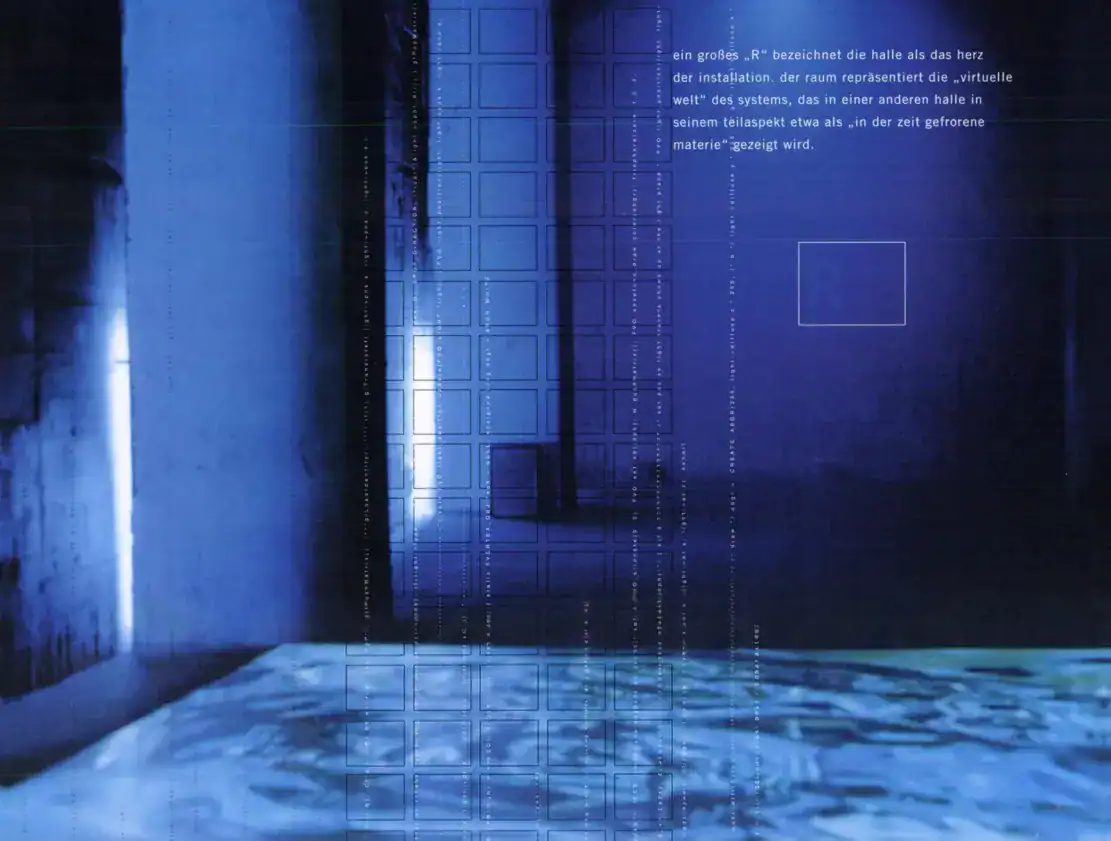
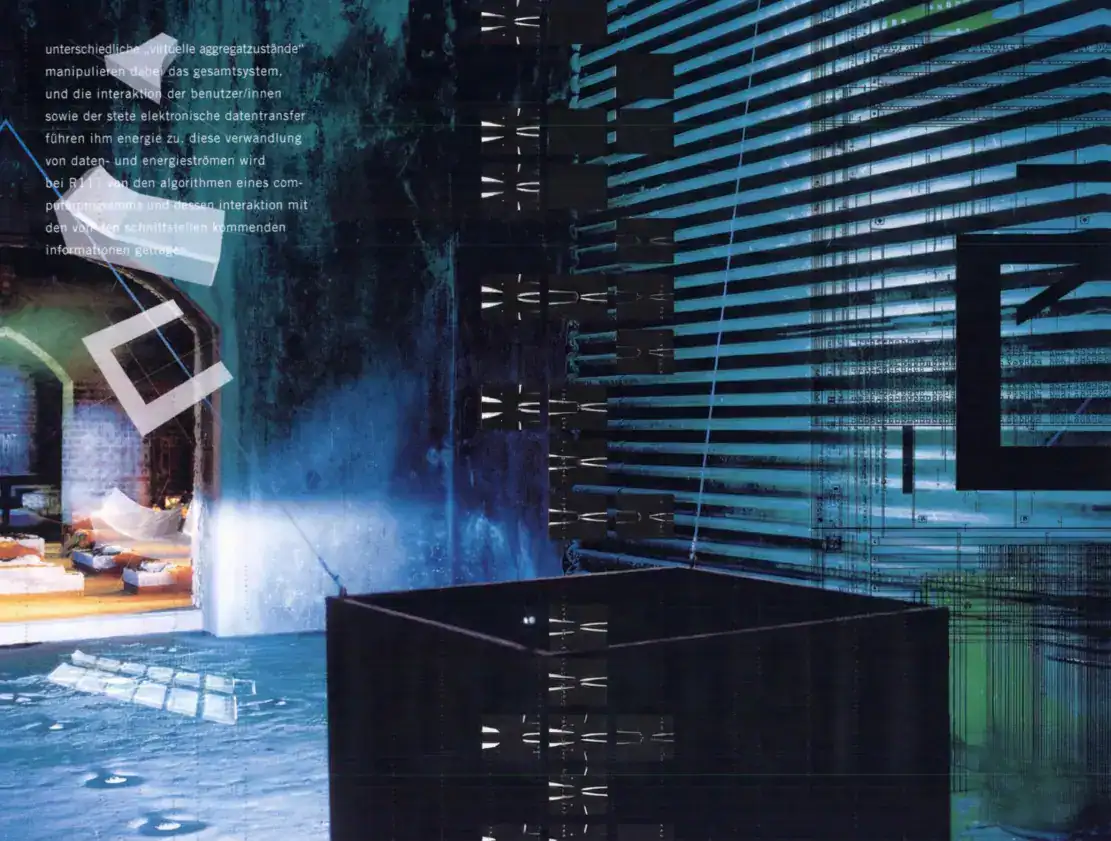
The installation aligns heavy matter with the invisible architecture of the internet, challenging the “cloud” metaphor. It argues that digital storage is a mechanism that consumes immeasurable physical resources, creating a “binary litholatry” where weightless data relies on the incineration and modulation of dense matter. 1ST1 is a monument to the ephemeral, finally binding the digital ghost to a physical vessel, ensuring that even after vast durations, it is compelled to end and become extinct.
The incineration of the archive has started
“Omnibus ex nihilo ducendis sufficit unum”
[To derive all from nothing, One is sufficient]Gottfried Wilhelm Leibniz, 1697
In the gravitational center of R111, we encounter module 1ST1.
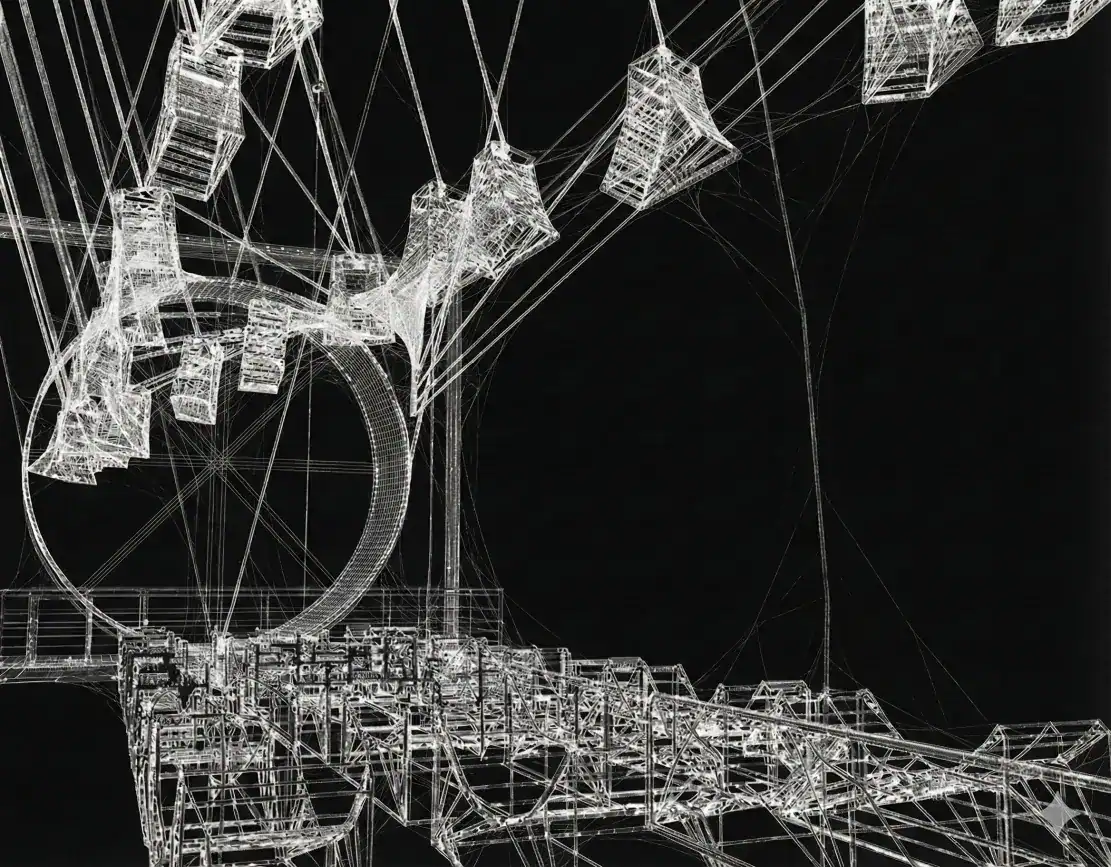
The Lithoglyph
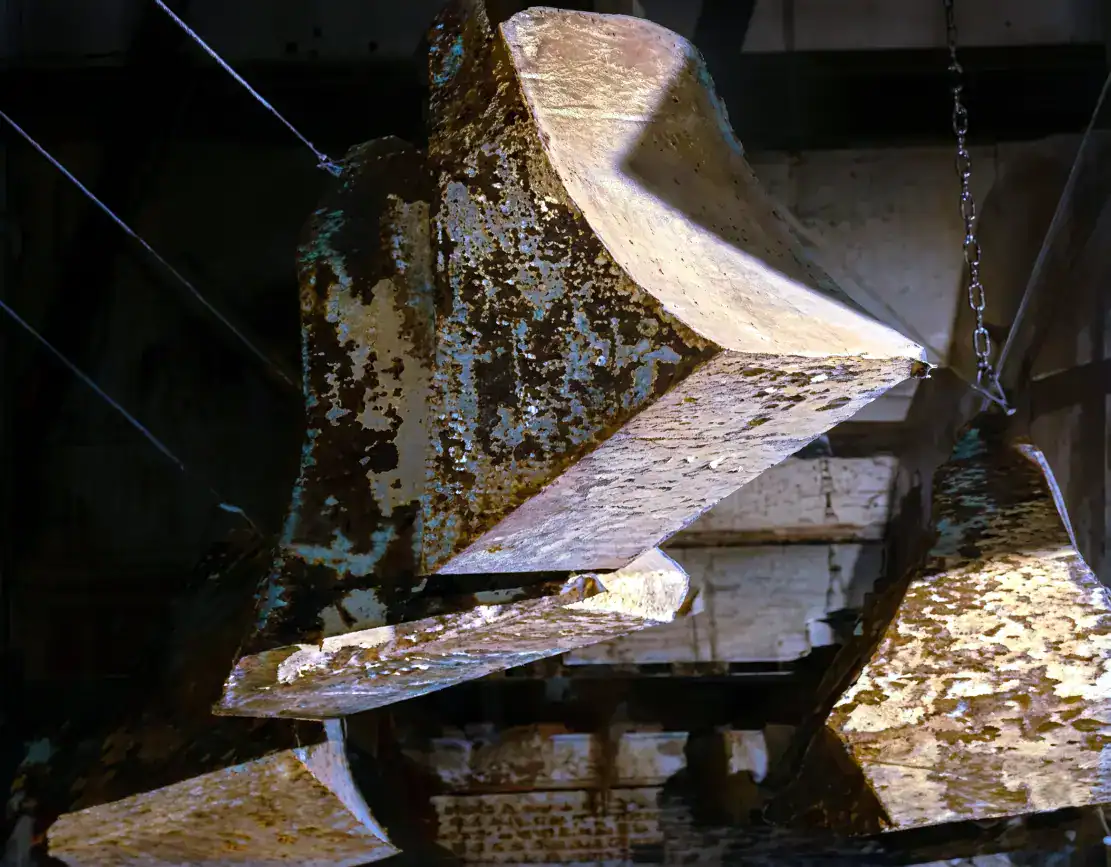
Once evidence of a specific historical era, the fossilized artifacts of the former brewery now operate as cultural waste in a present that renders chronology insignificant. Objects once bound to the metabolic, symmetric rhythms of production now stripped of utility yet retaining their heavy, mechanical endurance. These artifacts are reconfigured into a lithoglyph: a binary infossil, a totem of calcified logic.

The Lithic Ratio | 99%
Nineteen of these stones, industrial stoneware: Sattelsteine, Lagerklötze, are arranged to encode the numerical precipice of the year 1999, the number 99.
It is a binary inscription of the threshold marking the dictate of overclocked time and millennial panic. It stands as a monument to digital hysteria at the Y2K turn: those mythic moments defined by fear of numeric overflow, where the human subject stands paralyzed before its own calculation.
But the encoding of 99 vibrates with a frequency deeper than any calendar, any datum, any data. It is the Lithic Ratio. The Stone Age, spanning an immense 3.4 million years, claims 99% of the human timeline. We have not escaped the heavy epoch; we have merely electrified it. The digital era is not a break from history, but the final, flickering percentile of the Paleolithic: the Ein-Steinzeit.
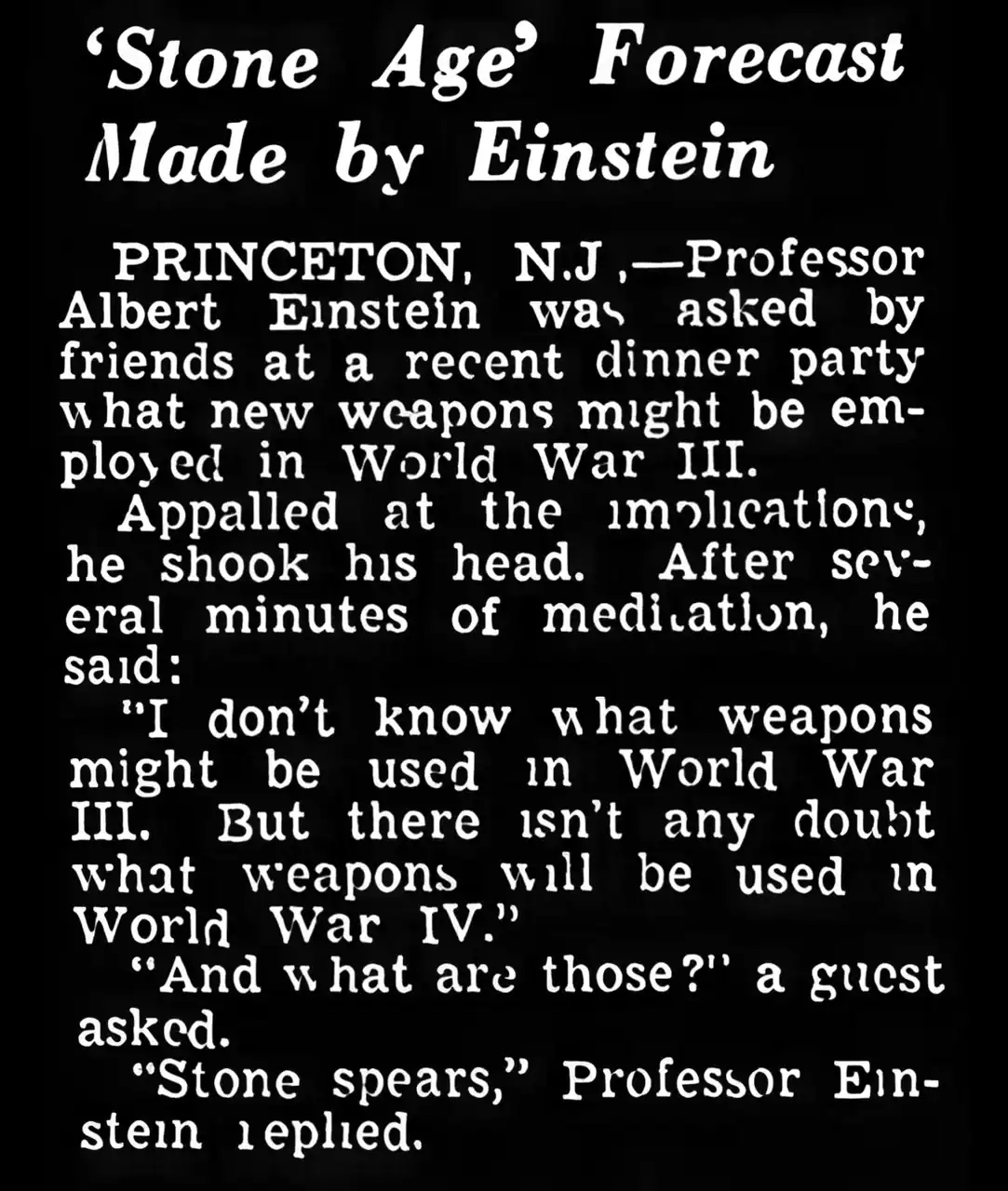
“I don’t know what weapons might be used in World War III. But there isn’t any doubt what weapons will be used in World War IV: Stone spears”
Albert Einstein, 1948
Within this vessel, a paradox of containment unfolds: heavy matter is forced to enact the logic of the Internet. That system of ‘weightless permanent storage’ is, in reality, a mechanism relentlessly feeding on dense matter from the planet’s own impermanent storage.
It is a temporary promise of infinity, a medium masquerading as eternal archive. Yet its assurances fracture instantly, leaving only a short-lived illusion dispersed by its own thermodynamic noise: the regime of humming power plants.
ST1-HENGES
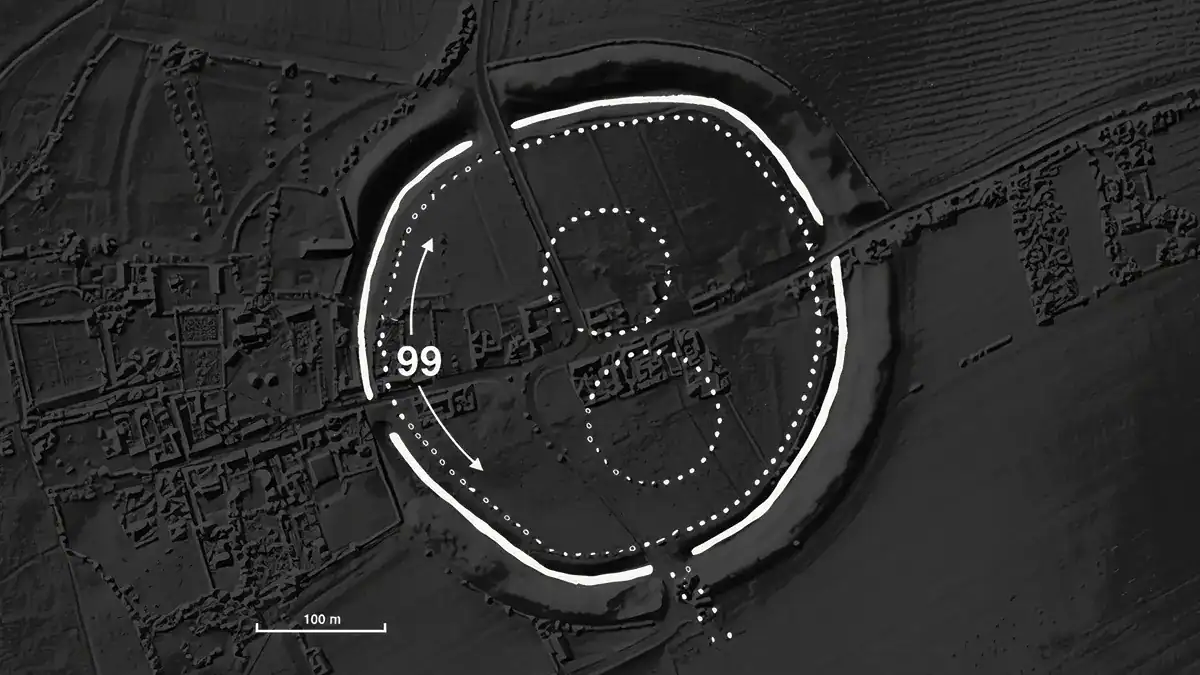
Just as the ancients aligned massive megaliths to secure their coordinates within the cosmos, 1ST1 aligns material weight with the invisible to anchor significance against the universal entropy of information. It is a machinic prehistory transposed into the digital present.
Yet, this alignment betrays a threat. In the digital sphere, we are seduced by the illusion of weightlessness, the hallucination of levity of “clouds” and “streams”.
1ST1 shatters this illusion, revealing the heavy, lithic core of the virtual. The arrangement is precarious: a glitch in this petrified matrix is not merely a flicker on a screen, but a stoning, a crushing fall. Such collapse does not delete data: it deletes life.
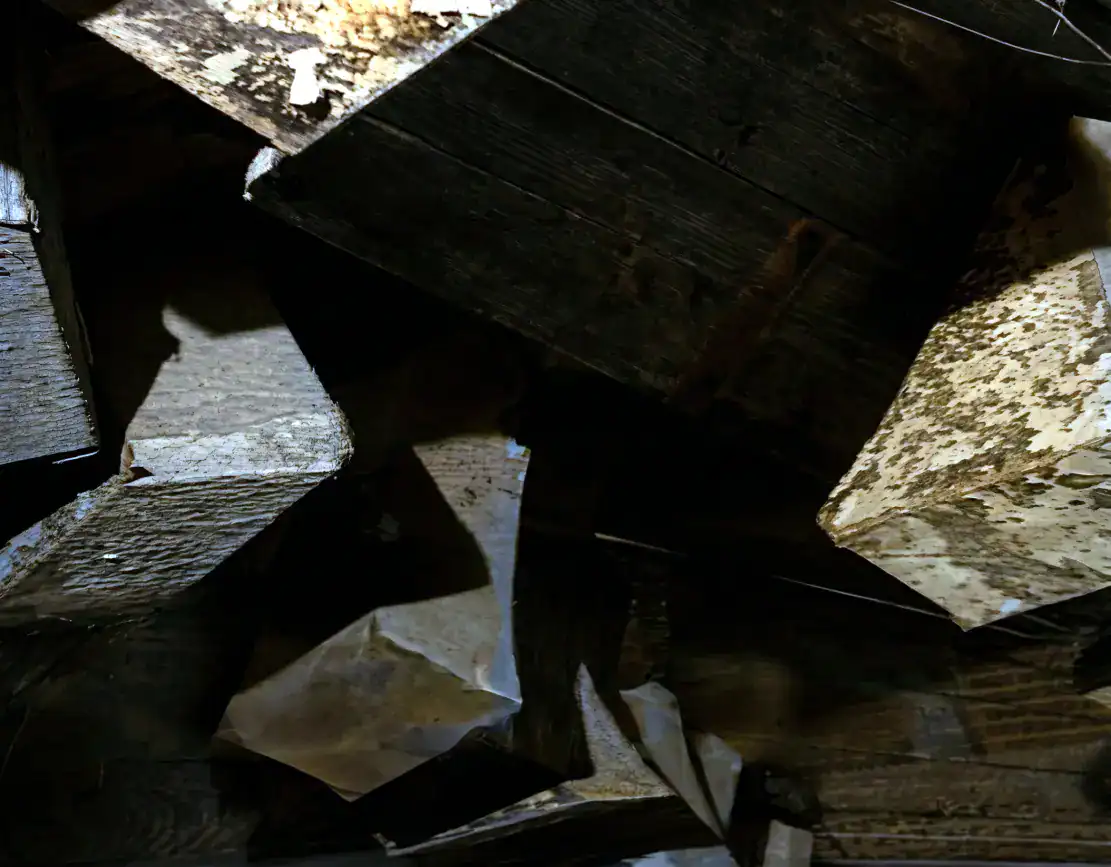
Thus, the sculpture operates as a philosophical index of our condition. It exposes the quiet violence embedded in systems that promise infinite reliability of encoding while eroding the ground of truth. It confronts us with the ancient question: how can we measure time, preserve being, and archive significance, when both our stones and our data are destined to dissolve?
We answer by erecting heavy monuments to the ephemeral. We pile weight against the void to grant our fleeting digital ghost a body in which to die: a physical vessel made from carbon dioxide and ionizing radiation, allowing the weightless to finally possess a real ending – a terminal conclusion.
the data burnings have already begun
“R111 could be considered the pinnacle of
Yukiko Shikata, President of International Association of Art Critics Japan, 2024
media art at the turn of the millennium.”
- https://www.kunstforum.de/artikel/connected-cities
- https://www.telepolis.de/article/Das-Ruhrgebiet-als-Netzwerk-3441555.html
- https://www.zvab.com/9783775708494/Connected-cities-Kunstprozesse-urbanen-Netz-3775708499/plp
One thought on “R111 | 1ST1 | THE LITHIC CLOUD | 1999”
Comments are closed.